Why Sexual Performance Matters for Your Well-being
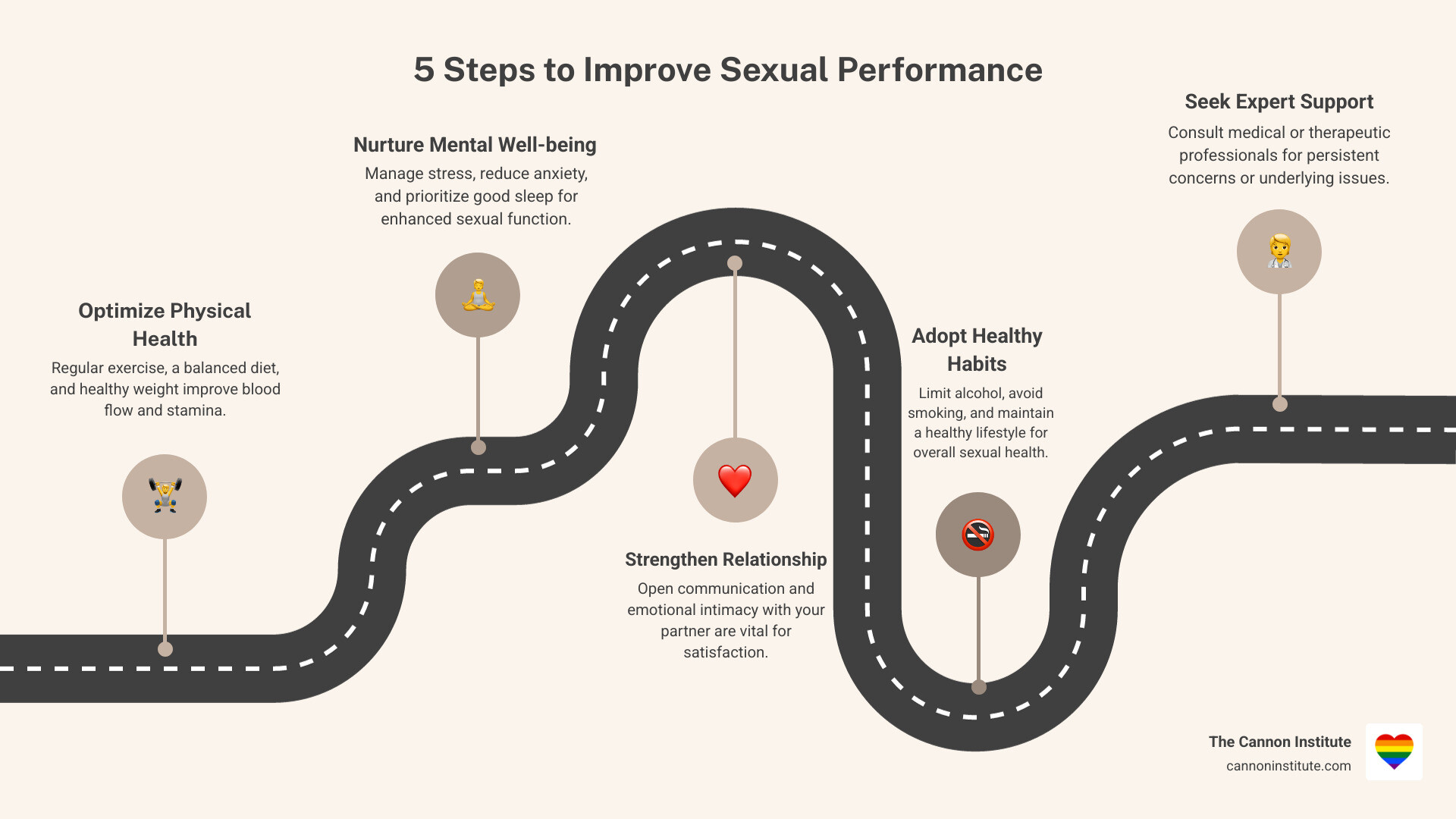
Improve sexual performance by focusing on three core areas: physical health, mental well-being, and relationship connection. Here’s what actually works:
- Exercise regularly – Just 30 minutes of walking daily reduces ED risk by 41%
- Eat better – Focus on fruits, vegetables, whole grains, and omega-3s
- Manage stress – Anxiety and stress are leading causes of sexual dysfunction
- Communicate openly – Talk with your partner about needs and concerns
- Sleep well – Get 6-8 hours nightly to support hormonal balance
- Limit alcohol and quit smoking – Both damage blood vessels and reduce sexual function
- Seek help when needed – Professional support addresses physical and psychological barriers
Sexual performance isn’t just about the bedroom. It’s deeply connected to your overall health, emotional state, and relationship quality. When sexual concerns arise, they can affect your confidence, intimacy, and quality of life. The good news is that research shows lifestyle changes, stress management, and improved communication make a real difference.
Your body needs good blood flow, balanced hormones, and energy to function sexually. Your mind needs to be present, relaxed, and free from performance pressure. Your relationship needs trust, openness, and emotional safety. When any of these areas struggle, sexual performance often follows.
The statistics are encouraging. Studies show that men with a 42-inch waist are 50% more likely to experience ED than those with a 32-inch waist. Regular exercise can reduce ED risk by 30%. Even simple changes like adding more fruits and vegetables to your diet can improve vascular health, which directly impacts sexual function.
But here’s what many people miss: psychological factors like stress and anxiety are often the primary cause of sexual difficulties. That’s why a holistic approach works best – one that addresses your body, mind, and relationship together.
I’m Dr. Neil Cannon, an AASECT Certified Sex Therapist, I’ve seen how addressing emotional connection and underlying concerns creates lasting change. This guide combines proven lifestyle strategies with insights into when professional support can help you reclaim confidence and satisfaction.
Related content about improve sexual performance:
Holistic Lifestyle Changes to Improve Sexual Performance
When we talk about sexual performance, we’re really discussing overall health. Our bodies are intricate systems, and what affects one part often impacts another. A healthy heart, robust blood flow, balanced hormones, and a responsive nervous system are all critical for optimal sexual function. This is why a holistic approach, starting with our daily habits, is so effective in helping us improve sexual performance.

At the heart of sexual health lies a healthy cardiovascular system. Nitric oxide, a molecule crucial for relaxing blood vessels and increasing blood flow, plays a starring role in achieving and maintaining erections. Anything that supports nitric oxide production and healthy vascular function will contribute positively to our sexual prowess. Similarly, hormonal balance, particularly involving testosterone for libido, and overall energy levels are profoundly influenced by our diet and activity.
Dietary Tweaks for Better Stamina and Blood Flow
“You are what you eat” might sound cliché, but it holds significant truth when it comes to sexual health. A diet rich in nutrient-dense foods not only fuels our bodies but also helps maintain the delicate balance required for optimal sexual function.
We recommend embracing a Mediterranean-style eating plan. This diet, rich in fruits, vegetables, whole grains, and healthy fats, has been shown to support cardiovascular health, which is directly linked to sexual performance. For instance, fruits high in antioxidants and anthocyanins, like blueberries, help protect body tissues and lower the risk of heart disease. A Swedish study found that fruits such as apples, pears, oranges, and other citrus fruits are particularly beneficial for lowering high blood pressure, a condition that can significantly impact erectile function.
Let’s break down some key nutrients and foods:
- Complex Carbohydrates: The American Heart Association (AHA) recommends a balanced diet with more complex carbohydrates than simple ones to maintain good energy levels. A 2019 study even shows that a low carbohydrate intake before attempting endurance exercise can limit performance. Think whole grains, legumes, and starchy vegetables to sustain your energy.
- Omega-3 Fatty Acids: These essential fats are known to increase blood flow throughout the body, including to sexual organs. Good sources include fish like salmon, anchovies, and herring, as well as fortified eggs and flaxseeds. The AHA suggests eating fish at least twice a week for good heart health.
- L-arginine-rich foods: L-arginine is an amino acid that the body converts into nitric oxide. Foods like watermelon, nuts, and red meat are natural sources. Research suggests that high doses of L-arginine may improve ED by widening blood vessels.
- Dark Chocolate: Often considered an aphrodisiac, dark chocolate contains flavonoids, which are antioxidants that can improve blood flow.
- Vitamin D: A 2020 review indicates that foods high in vitamin D may help lower the risk of severe ED or heart disease. This vitamin improves blood flow, reduces oxidative stress, and lowers cholesterol. Good sources include tuna, eggs, fortified products (like cereal and milk), and mushrooms. Men with vitamin D deficiency have a 30% greater risk for ED.
- Vitamin B12: Chronic deficiencies in vitamin B12 may harm the spinal cord, potentially short-circuiting nerves responsible for sensation and relaying messages to arteries in the penis. Foods like clams, salmon, trout, and beef are excellent sources. However, moderation is key, as excessive B12 was shown to increase the chances of ED in a 2019 study.
- Caffeine in Moderation: For those who enjoy coffee or tea, good news! A 2005 cross-sectional analysis showed that caffeine may improve blood flow and relax the muscles that help us get and keep an erection.
By focusing on these dietary components, we can lay a strong foundation for improved sexual stamina and overall sexual health. If you’re experiencing a decrease in sexual desire, exploring dietary improvements can be a powerful first step. Learn more about addressing reduced desire on our page about Low Libido.
The Role of Exercise in Enhancing Sexual Function
Exercise is not just about looking good; it’s about feeling good, and that includes in the bedroom. Regular physical activity is one of the most potent natural methods to improve sexual performance and combat issues like Erectile Dysfunction (ED).
Research consistently shows that getting our bodies moving directly impacts our sexual health. How? Exercise boosts blood circulation throughout the entire body, including the penis. This improved blood flow is essential for achieving and maintaining erections. Just 20 minutes of aerobic exercise per day can significantly improve circulation and aid in weight management.
Consider these powerful statistics:
- A Harvard study found that just 30 minutes of walking a day was linked with a 41% drop in risk for ED.
- A study of almost 32,000 men ages 53 to 90 found that frequent vigorous exercise—equal to running at least three hours per week or playing tennis five hours per week—was associated with a 30% lower risk of ED compared with little or no exercise.
- Moderate exercise has even been shown to help restore sexual performance in obese, middle-aged men with ED.
Beyond cardiovascular benefits, exercise helps with weight management. This is crucial because obesity raises risks for vascular disease and diabetes, two major causes of ED. Excess body fat can also affect hormones involved in sexual function. In fact, a man with a 42-inch waist is 50% more likely to have ED than one with a 32-inch waist. Losing excess weight decreases inflammation and reactive oxygen species (ROS) in the body, allowing nitric oxide to be more effective, which is vital for erections.
What kind of exercise should we focus on?
- Aerobic Activity: Brisk walking, jogging, swimming, or cycling (though some research from 2015 suggests excessive pressure from cycling seats could lead to ED, so ensure a comfortable, pressure-relieving seat if you’re an avid cyclist) are excellent for cardiovascular health and stamina. The Physical Activity Guidelines for Americans recommends at least 150 minutes of moderate-intensity physical activity per week.
- Strength Training: Building muscle can improve overall fitness and boost confidence. Exercises like weightlifting, push-ups, and squats contribute to better endurance and body composition.
- Pelvic Floor Engagement (Kegels): These exercises strengthen the muscles that support the bladder and bowels, and for men, can improve erectile rigidity and control over ejaculation. For women, strong pelvic floor muscles can lead to more intense orgasms. To do Kegels, simply squeeze the muscles you would use to stop the flow of urine, hold for a few seconds, and release.
Regular exercise, combining cardio and strength training, not only improves physical stamina but also boosts self-esteem and body image, which can significantly improve sexual performance. For more strategies on fostering a fulfilling intimate life, explore our guide on Beyond the Sheets: Strategies for a More Fulfilling Intimate Life.
Master Your Mind: Mental and Emotional Well-being
Our minds are powerful tools, and nowhere is this more evident than in our sexual lives. Stress, anxiety, and other mental health challenges can act as significant roadblocks to sexual performance and satisfaction. It’s not just about physical readiness; it’s about being present, confident, and emotionally connected.
Research from 2022 shows that psychological factors like stress and anxiety are often the cause of ED. Stress causes blood vessels to constrict, reducing the crucial blood flow needed for erections. High stress can even counteract the effectiveness of medications like Viagra and Cialis. Similarly, for both men and women, anxiety and depression can significantly dampen libido and arousal. Building a strong mental and emotional foundation is therefore paramount to truly improve sexual performance.
Mental and Emotional Strategies to Improve Sexual Performance
Taking care of our mental and emotional health is a cornerstone of sexual well-being. When we feel stressed, anxious, or overwhelmed, our bodies often go into “fight or flight” mode, which is the antithesis of sexual arousal.
Here are some strategies we can adopt:
- Mindfulness and Relaxation Techniques: Incorporating practices like meditation, deep breathing exercises, or yoga can significantly reduce stress. These techniques help us stay present and focused, rather than being distracted by worries or performance pressure. The National Center for Complementary and Integrative Health (NCCIH) provides excellent resources on stress reduction techniques.
- Better Sleep: Sleep is our body’s time to repair and rebalance. Not getting enough quality sleep can disrupt hormone levels, including testosterone, and reduce energy, negatively impacting libido and performance. A 2019 study suggests losing sleep can also make us more likely to develop plaque in our arteries, or atherosclerosis, further affecting blood flow. We aim for 6-8 hours of sleep per night and recommend practices like turning off screens an hour before bed, maintaining a consistent sleep schedule, and keeping the bedroom cool. Sleep disorders like sleep apnea are strongly linked to an increased risk of ED.
- Managing Cortisol Levels: Chronic stress lifts cortisol, the “stress hormone,” which can suppress sex hormones and reduce desire. By actively managing stress through relaxation, exercise, and adequate sleep, we help keep cortisol in check.
- Addressing Psychological Factors: Performance anxiety, fear of failure, or body image concerns can create a vicious cycle that inhibits sexual responsiveness. It’s important to shift our focus from “performing” to “pleasure” and connection.
Building self-esteem and confidence plays a huge role here. When we feel good about ourselves, we’re more likely to engage authentically and joyfully in sexual experiences. If you find yourself struggling with self-doubt or shame related to your sexuality, know that you’re not alone, and there’s support available to help you build confidence. Explore our resources on how to Shed Shame, Embrace Sexual Confidence.
The Importance of Partner Communication
Sexual performance isn’t a solo act, even if we sometimes feel the pressure to “perform” alone. In a partnership, communication is the very fabric of intimacy and satisfaction. Without open dialogue, misunderstandings can fester, desires can go unexpressed, and pressure can build, all of which detract from our ability to improve sexual performance.
Research from 2022 emphasizes that talking with our partner is the only way to communicate how we’re feeling and what we’re experiencing. This is especially true when dealing with sexual performance issues. Dissatisfaction with your sexual performance doesn’t equal dissatisfaction with your partner. It’s crucial to reassure your partner about your feelings toward them and open up a discussion about any anxiety, discontent, or even boredom you may have.
Here’s why open communication is so vital:
- Expressing Desires and Boundaries: How can our partner know what we like or dislike if we don’t tell them? Openly sharing our desires, fantasies, and boundaries creates a roadmap for mutual pleasure.
- Addressing Concerns: If one partner is experiencing difficulties, such as ED or low libido, discussing it openly can alleviate pressure and foster a sense of teamwork. It allows both individuals to seek solutions together, rather than one person feeling isolated or ashamed.
- Emotional Intimacy: Sexual intimacy thrives on emotional intimacy. When we feel safe, heard, and understood by our partner, we are more likely to relax and fully engage in sexual activity. This deepens the connection and makes sexual experiences more fulfilling.
- Reducing Pressure: Performance anxiety often stems from a fear of disappointing our partner. By communicating that the focus is on shared pleasure and connection, rather than a specific outcome, we can significantly reduce this pressure. As we say at The Cannon Institute, “To reduce performance anxiety, focus more on finding what’s most pleasurable to you versus how well you’re sexually performing.”
A conversation about your sex life doesn’t mean the end of a pairing; it often means a new beginning, a chance to spice things up, or to address underlying issues. If you’re looking to deepen your connection, understanding What is Intimacy? is a great place to start. For couples navigating differences in sexual desire, there is also Hope for Sexual Desire Discrepancy.
Habits to Adjust for Optimal Sexual Health
Beyond what we eat and how we manage our minds, certain lifestyle habits can either be powerful allies or significant adversaries in our quest to improve sexual performance. These habits often impact our cardiovascular health, which, as we’ve discussed, is intimately linked to sexual function.
Our choices regarding alcohol and tobacco, for instance, have direct consequences on our blood vessels and the effectiveness of nitric oxide, the molecule so vital for blood flow to the penis. Making conscious adjustments in these areas can yield substantial benefits for our sexual health and overall well-being.
Limiting Alcohol and Quitting Smoking
- Alcohol Consumption: While a moderate amount of alcohol might help some individuals relax and feel more intimate, heavy alcohol consumption is associated with a higher risk of sexual dysfunction. In the short term, too much alcohol can impair our ability to achieve or maintain an erection and can blunt sexual response. Long-term heavy drinking can lead to nerve damage, hormonal imbalances, and liver issues, all of which negatively impact sexual health. We encourage responsible drinking and limiting intake, especially before sexual activity, to ensure our bodies are performing at their best.
- Smoking Cessation: This is perhaps one of the most critical steps we can take to improve sexual performance and overall health. Nicotine and other chemicals in cigarettes, cigars, and other products like vaporizers can damage blood vessels and reduce the effectiveness of nitric oxide. This damage directly impedes blood flow, which is essential for erections. Smoking is linked to heart and blood vessel disease, a significant contributor to ED. The good news is that the earlier we quit, the sooner our bodies can begin to reverse some of this damage, leading to improved circulation and better sexual function. If you smoke, one of the best things you can do for your ED and your overall health is to quit. Resources like Smokefree.gov offer valuable information and support for quitting.
By making these crucial adjustments, we protect our vascular system, improve blood flow, and set the stage for more consistent and satisfying sexual experiences.
Understanding Supplements and “Natural” Approaches
In our desire to improve sexual performance, it’s common to look for quick fixes, and the market is flooded with various supplements and “natural” boosters. While some ingredients have shown promise in research, it’s crucial to approach these with caution and a healthy dose of skepticism.
For instance, certain supplements like L-arginine and Panax ginseng have garnered attention. L-arginine, as mentioned earlier, is a precursor to nitric oxide, and some research suggests it may improve ED by improving blood flow. Panax ginseng may improve sexual function, and a cream form is even used for premature ejaculation. Other ingredients like horny goat weed (Epimedium) have been used traditionally, but robust scientific evidence for their efficacy in treating ED is often lacking or inconclusive.
However, dietary supplements is largely unregulated. This means that products can vary widely in their active ingredient content, purity, and even safety. Some “herbal Viagra” products have been found to contain undeclared prescription ingredients, which can be dangerous, especially if combined with other medications or existing health conditions. For example, yohimbe, a supplement sometimes marketed for sexual improvement, has been linked with dangerous side effects.
Therefore, while the idea of a “natural” solution is appealing, we strongly advise against self-medicating with supplements. It’s essential to understand that “natural” doesn’t always mean “safe.” Before trying any new supplement for erectile dysfunction or other sexual health concerns, we must talk with a healthcare professional. They can help us understand potential benefits, risks, and interactions with any medications we might be taking. For more guidance on this topic, the National Center for Complementary and Integrative Health provides valuable information on using dietary supplements wisely.
For those struggling with the term and experience of impotence, which is often used interchangeably with erectile dysfunction, we have a dedicated resource that clarifies its meaning and implications: Impotence Meaning.
Note: The Cannon Institute does not endorse or provide herbal supplements or over-the-counter “natural” boosters. Consult a healthcare professional before considering any supplement.
When to Seek Professional Guidance
While many strategies can help us improve sexual performance through lifestyle changes, there are times when professional guidance becomes essential. Sexual health issues can be complex, stemming from a combination of physical, psychological, and relational factors. Ignoring persistent problems can lead to increased anxiety, frustration, and a decline in intimacy.
Knowing when to reach out to a doctor or a sex therapist is a sign of strength and a proactive step towards reclaiming our sexual well-being. Whether it’s an underlying medical condition or a deep-seated emotional barrier, professional support can provide clarity, diagnosis, and effective treatment paths.
Consulting a Doctor for Physical Concerns
If we’re experiencing persistent sexual performance issues, our first step should often be a visit to a medical doctor. Many sexual difficulties, particularly for men, can be symptoms of underlying health conditions that require medical attention.
Common physical concerns that warrant a doctor’s visit include:
- Erectile Dysfunction (ED): While lifestyle changes can help, ED can be a sign of diabetes, heart disease, high blood pressure, or vascular problems. A doctor can diagnose the cause and discuss treatments ranging from oral medications (like PDE5 inhibitors) to other therapies.
- Premature Ejaculation (PE): This common issue can be frustrating and impact confidence. A doctor can assess potential causes and suggest behavioral techniques, topical creams, or medications.
- Low Testosterone: Reduced libido, fatigue, and other symptoms can be linked to low testosterone levels. Blood tests can confirm this, and a doctor can discuss whether testosterone replacement therapy is appropriate.
- Diabetes: This condition can damage nerves and blood vessels, leading to ED and other sexual dysfunctions. Proper management of diabetes is crucial for sexual health.
- Heart Disease and High Blood Pressure: These conditions directly affect blood flow, making them significant risk factors for ED. Medications and lifestyle changes to manage these conditions can also improve sexual performance.
- Medication Side Effects: Many prescription medications can impact sexual function. A doctor can review our current prescriptions and suggest alternatives or adjustments if they are contributing to sexual problems.
For a comprehensive understanding of medical treatments for ED, the National Institute of Diabetes and Digestive and Kidney Diseases (NIDDK) provides detailed information on Treatment for Erectile Dysfunction. If you are experiencing any form of male sexual dysfunction, we encourage you to seek medical advice to rule out or address physical causes. We also offer specialized support for Male Sexual Dysfunction.
How Sex Therapy Can Help You Improve Sexual Performance
Once physical causes have been addressed or ruled out by a medical doctor, sex therapy becomes an invaluable resource for navigating the psychological and relational aspects of sexual performance. At The Cannon Institute, located right here in Denver, CO, we understand that sexual issues often have roots in our minds and relationships.
Sex therapy, particularly Emotionally Focused Therapy (EFT) which our team specializes in, offers a safe and confidential space to explore:
- Psychological Barriers: Issues like performance anxiety, guilt, shame, and body image concerns can severely impact sexual function. Our therapists help clients identify these barriers and develop coping strategies to overcome them. We help individuals shed shame and embrace sexual confidence.
- Performance Anxiety: This is a common issue where the fear of not being able to perform leads to actual difficulty. Through therapy, we learn to shift focus from pressure to pleasure and connection, reducing the anxiety that often sabotages sexual encounters.
- Relationship Conflicts: Unresolved conflicts, communication breakdowns, or a lack of emotional intimacy can manifest as sexual problems. Sex therapy helps couples communicate more effectively, deepen their emotional bond, and reignite desire.
- Building Confidence: Sex therapy isn’t just about fixing problems; it’s about building confidence, fostering a positive sexual self-image, and exploring new ways to experience pleasure and intimacy. We help individuals and couples develop strategies to improve their sexual experiences and build a healthier, more fulfilling sexual relationship.
Our certified sex therapists are trained to address a wide range of sexual concerns, including desire discrepancy, sexual dysfunction, and trauma. We provide a supportive environment where you can openly discuss your concerns and work towards your goals. If you’re looking for guidance to improve sexual performance through a professional, compassionate, and evidence-based approach, consider exploring Erectile Dysfunction Sex Therapy or our general Professional Sex Therapy services.
Conclusion
Starting on a journey to improve sexual performance is a holistic endeavor that touches upon our physical health, mental well-being, and the vitality of our relationships. We’ve explored how simple yet powerful changes can make a profound difference, from optimizing our diet and embracing regular exercise to mastering our minds through stress management and fostering open communication with our partners. By limiting harmful habits like excessive alcohol consumption and smoking, we further protect the delicate systems that govern our sexual health.
While the market offers various “natural” supplements, we advocate for caution and emphasize the importance of consulting healthcare professionals before incorporating them. Knowing when to seek professional guidance from a doctor for physical concerns or a sex therapist for psychological and relational barriers is a crucial step toward lasting improvement.
At The Cannon Institute in Denver, CO, we are dedicated to helping individuals and couples steer these challenges. Our research-based, intentional process provides immediate, targeted interventions that foster sustainable change and renewed hope for a fulfilling sexual life. Taking control of your sexual health is an empowering act, and with the right strategies and support, significant improvement is not just possible—it’s within reach.
Learn more about our approach to Erectile Dysfunction Sex Therapy.